

What to Know Before Installing an Indoor Sauna
Posted on 19 August 2026
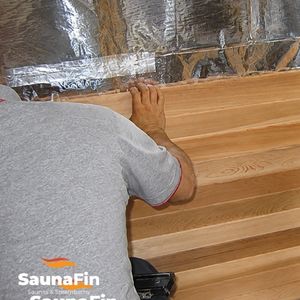
Installing an indoor sauna starts with choosing a suitable location and confirming that the space can support the required framing, insulation, ventilation, and electrical work. You should also decide whether you want dry heat or a steam sauna from your sauna kit that produces a more humid experience.
At SaunaFin, we offer customizable material kits and prefabricated models for different homes, room sizes, and design goals.
Choose the Right Room
Basements, home gyms, large bathrooms, and spare rooms are common locations for indoor saunas. The best room is private, accessible, and large enough to accommodate the sauna without blocking doors, windows, or walkways.
Proximity to a bathroom can be convenient if you like showering before or after each session. However, a sauna does not need to be installed inside a bathroom. The surrounding room mainly needs sufficient space, suitable flooring, and access to the required electrical service.
Measure the Space and Plan the Layout
Measure the room’s width, depth, and ceiling height before selecting a sauna. You should also measure the route that panels or prefabricated components will take into the room, including doorways, hallways, and stairs.
Consider how many people will use the sauna and how they prefer to sit. A compact setup may be appropriate for one or two people, while a family sauna will need more bench space. Upper and lower benches can increase capacity, but their dimensions and placement must allow users to sit comfortably and remain an appropriate distance from the heater.
Consider Insulation and Ventilation Requirements
Proper insulation helps the sauna reach and maintain its intended temperature. A built-in sauna generally requires insulated walls and ceilings, along with an appropriate foil vapour barrier behind the interior wood lining. Gaps or poorly installed insulation can allow heat to escape and make the heater work harder.
Ventilation is also important for comfortable airflow. The intake and exhaust locations depend on the heater, room design, and installation instructions. Our guide to converting a spare room into an indoor sauna explains more about assessing an existing space before construction begins.
Confirm the Electrical Requirements
Most residential sauna heaters require a dedicated electrical connection selected according to the heater’s specifications. The heater must be correctly sized for the room’s cubic volume, construction, and amount of glass or other non-insulated surface area.
A licensed electrician should confirm the electrical capacity and complete the required wiring. Electrical planning should happen before the walls are closed so connections for the heater, controls, lighting, and other components are placed correctly.
Choose Materials Designed for Sauna Conditions
Sauna interiors experience repeated cycles of high heat and humidity. Choose wood and components intended for that environment. Cedar and hemlock are common options because they can provide a comfortable, attractive interior when properly installed.
Door style also affects the finished appearance. A glass door creates a more open feeling, while a cedar-framed option can offer greater visual privacy. Benches, backrests, heater guards, lighting, and accessories should all be planned before ordering.
Know the Difference Between a Sauna and Steam System
Traditional indoor saunas use a heater to warm the room and sauna stones, producing primarily dry heat with brief humidity when water is applied to suitable stones. A steam and shower system uses a generator to fill an enclosed shower with moist steam.
These systems require different materials and construction methods. A steam shower must be waterproof and designed to contain moisture, while a sauna relies on insulated walls, a vapour barrier, wood lining, and sauna-specific ventilation.
Plan Your Indoor Sauna with SaunaFin
Careful measurements, appropriate insulation, properly sized heating equipment, and qualified electrical work create the foundation for a comfortable indoor sauna. SaunaFin has manufactured and supplied saunas since 1962 and offers material kits, prefabricated models, heaters, controls, doors, and accessories.
Contact our team with your measurements or renovation plans. We can help you compare configurations and choose an option that fits your home and intended use.

