

Can You Use a Sauna When Hungover?
Posted on 16 September 2026
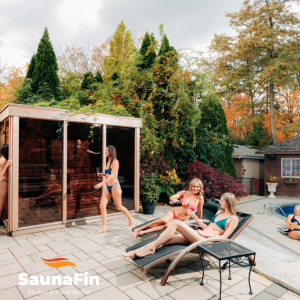
It is generally safer to wait until your hangover has passed before using a sauna. Alcohol can contribute to dehydration, dizziness, nausea, and impaired judgement, while sauna heat raises body temperature and increases fluid loss through sweating. Combining the two may make you feel worse and increase the risk of fainting or overheating. This guidance applies whether you use one of our saunas in outdoor saunas, or an indoor sauna kit. At SaunaFin, we recommend returning to your sauna only after you are sober, hydrated, and feeling well.
A Sauna Will Not Sweat Out the Alcohol
A common misconception is that sitting in a hot sauna helps the body eliminate alcohol through sweat. However, the body processes most alcohol through the liver. Sweating more does not meaningfully speed up that process or cure a hangover.
A sauna may temporarily feel relaxing, but that does not mean it is accelerating recovery. Headaches, nausea, fatigue, thirst, and dizziness are signs that the body may still be dealing with alcohol's effects and the accompanying disruption to sleep, hydration, and normal functioning.
Drinking water and resting can support recovery, but neither instantly removes alcohol from the body. Time is still required for the body to metabolize it.
Heat Can Worsen Dehydration
Alcohol can contribute to fluid loss, and some people begin a hangover already dehydrated. A sauna causes additional sweating, which may further reduce fluids and electrolytes.
The CDC notes that alcohol can contribute to dehydration and increase the risk of heat-related illness. This is especially relevant in a sauna, where the body is deliberately exposed to a hot environment.
Signs that you should not enter a sauna include:
- Strong thirst or a very dry mouth
- Dizziness or lightheadedness
- Nausea or vomiting
- Weakness or poor coordination
- A severe headache
- Confusion or difficulty concentrating
- A rapid or irregular heartbeat
- Feeling unusually hot or unwell
If symptoms are severe, unusual, or not improving, seek appropriate medical advice rather than attempting to treat them with heat.
Alcohol and Sauna Heat Affect Circulation
Sauna heat causes blood vessels near the skin to widen as the body attempts to release heat. This can lower blood pressure temporarily and make some people feel lightheaded, particularly when standing up.
Alcohol can also affect circulation, coordination, and judgement. If these effects overlap, the risk of losing balance or fainting may increase. This is one reason you should never use a sauna while you are still intoxicated.
Using a lower temperature or planning a shorter session does not make intoxicated sauna use safe. Impaired judgement may also make it harder to recognize warning signs or leave the sauna promptly.
Research examining sauna-related deaths has identified alcohol intoxication as an important associated risk factor. The safest approach is to keep alcohol and sauna bathing separate.
When Is It Reasonable to Return?
There is no universal number of hours that guarantees someone is ready to use a sauna after drinking. Alcohol affects people differently depending on the amount consumed, time since the last drink, food intake, medications, body size, general health, and other factors.
Consider waiting until:
- You are completely sober
- Your nausea, dizziness, and headache have resolved
- You can eat and drink normally
- Your urine has returned to a lighter colour
- You feel steady when standing and walking
- You are not experiencing palpitations, weakness, or confusion
Even after you feel better, return gradually. Use a comfortable temperature, keep the first session brief, drink water, and leave immediately if you become dizzy, nauseated, weak, or unusually uncomfortable.
Our guide to the safe use of home saunas provides additional precautions for planning a responsible sauna routine.
Does the Type of Sauna Change the Advice?
The basic recommendation does not change based on where the sauna is installed. Outdoor saunas and indoor models both expose the body to heat and encourage sweating.
Weather can create additional considerations for an outdoor model. Very cold conditions may produce an abrupt temperature change when leaving the sauna, while hot weather may make it more difficult for the body to cool down afterward.
An indoor sauna kit provides a convenient sauna experience at home, but that convenience should not encourage use when you are intoxicated, dehydrated, or unwell. Avoid using any sauna alone if you are uncertain about how you feel.
Use Your Sauna When You Feel Well
A sauna should be used when you can recognize and respond to your body's signals. It is not a hangover cure and should not be used to try to sweat alcohol out of your system.
At SaunaFin, we help customers choose and plan home saunas that can be enjoyed as part of a comfortable, responsible routine. If you are comparing saunas in Toronto or planning a new installation, contact our team to explore indoor and outdoor options. For personal questions about alcohol, medications, heart conditions, blood pressure, or other health concerns, speak with a qualified healthcare professional before using a sauna.

