

Common Installation Mistakes That Reduce Sauna Efficiency
Posted on 05 June 2026
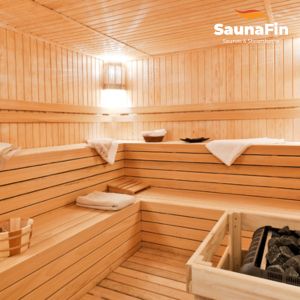
Every element of your home sauna in Canada should work synergistically for that coveted calm amidst the heat. Your sauna experience begins long before the first session—it starts at installation. Even the highest-quality indoor sauna can fall short with a flawed installation. A powerful sauna heater can’t compensate for poor insulation, and bespoke craftsmanship can’t fix inadequate ventilation. Understanding these sauna installation bloopers can save frustration, unnecessary expenses, and disappointing sessions. That’s why the SaunaFin specialists insist on correct installation for that unparalleled sauna experience. Here are three basic sauna installation mistakes to avoid.
1. Insulation and Heat Retention Woes
The heat escapes faster than it builds when a sauna lacks proper insulation. The heater must work harder to maintain sauna temperature and also uses more energy. Your indoor cabin sauna may take longer to heat, and the temperature may fluctuate unexpectedly. Any installation gaps in walls or ceilings worsen this. And all point to a common cause: faulty and unplanned installation.
The solution begins with correct sauna insulation materials designed to handle elevated heat levels and moisture conditions. Fiberglass with a foil vapour barrier protects the sauna while retaining heat. A properly insulated and installed sauna will ensure fast heat that stays for that grounding sauna experience.
2. Incorrect Heater Placement or Sizing
Heater size is often the focus when deciding sauna options, and rightly so. A small sauna heater may take ages to reach target temperatures, while an oversized one can get too uncomfortable or heat unevenly. Proper heater sizing actually depends on the sauna dimensions and construction materials.
However, even a wrongly placed unit can also mar your sauna sessions. A bad heater position can create dead thermal zones with areas where the heat never circulates properly. Conversely, it can have the heat concentrating too heavily in one section of the sauna room while leaving the other areas cooler. Heaters installed close to benches can create an uncomfortable sauna environment and unnecessary risks. A thoughtfully installed outdoor or indoor cabin sauna creates balanced heating that seems natural from every bench level.
3. Sauna Ventilation Mistakes That Affect Airflow
Sauna rooms can become stuffily uncomfortable without proper airflow. The steamy moisture lingers, and the sauna temperatures fluctuate unpredictably. Proper sauna ventilation creates a continuous exchange of fresh and warm air for a relaxing session. An ideal home sauna in Canada should have fresh air entering low near the heater and exiting high on the opposite wall. This venting arrangement allows natural convection and even heat movement throughout the sauna cabin.
Incorrectly placed vents that are too close to the heater can create unstable heating. Vents placed too low can have cool drafts hitting the sauna seating area. And intake and exhaust vents on the same wall reduce air circulation effectiveness. Also, venting in an outdoor sauna is equally important for circulation and a comfy sauna environment.
Start Right with Professional Sauna Installation
Your sauna’s efficiency relies on more than just the sauna heater. Sauna installation mistakes involving insulation, heater positioning or ventilation can kill your sauna vibe. At SaunaFin, we believe the route to a great home sauna in Canada starts with careful planning and expert installation. Explore our premium indoor cabin saunas | indoor saunas and custom outdoor saunas for a sauna that delivers the experience you envisioned.
An exceptional sauna begins with SaunaFin. Call now!

