

Can You Convert an Existing Shower Into a Steam Shower?
Posted on 28 October 2026
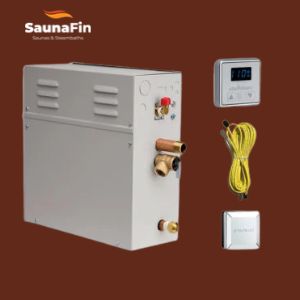
An existing shower can often be converted into a steam shower, but the enclosure must be properly sealed, waterproofed, and designed to contain steam. While installing a steam generator is a great way to get a similar experience to a home sauna but installing the generator alone is not enough to transform your shower. The walls, ceiling, glass door, ventilation, and electrical connections must all be suitable for the installation. If you're planning a custom steam shower, assessing your existing shower first can help determine whether a conversion is practical or a more extensive renovation is necessary.
At SaunaFin, we supply steam generators and related components for homeowners looking to create a home steam shower without dedicating a separate room to steam bathing.
What Makes a Steam Shower Different From a Regular Shower?
A conventional shower is designed to manage water that comes into contact with the walls and floor. A steam shower must also contain heated water vapour, which can reach the ceiling, upper walls, and gaps around doors.
This means the entire enclosure needs suitable waterproofing, vapour control, and materials approved for steam shower applications.
A shower that performs well during everyday bathing isn't necessarily ready for steam without modifications.
Can You Use Your Existing Shower Walls and Tiles?
Possibly, but the materials beneath the tile are just as important as the visible finish.
Ceramic tile and certain natural stone finishes can be suitable for steam showers when installed as part of an appropriate assembly.
However, grout and tile alone do not create a vapour-resistant enclosure.
The walls and ceiling must incorporate compatible waterproofing and vapour-control materials designed for steam exposure.
If your existing shower wasn't constructed for steam use, portions of the enclosure may need to be rebuilt.
This is particularly important for showers located against exterior walls, where Canadian winter temperatures can increase the potential for condensation within unsuitable wall assemblies.
Does Your Shower Need a Different Glass Door?
A steam shower generally requires an enclosure that limits steam escaping into the surrounding bathroom.
An open walk-in shower or a glass partition that stops below the ceiling may not contain steam effectively.
Depending on the design, you may need a new door, additional glass panels, or an enclosed section above the existing partition.
Glass also affects steam generator sizing because it transfers heat differently than insulated walls.
Before ordering equipment, measure the amount of glass and review the generator manufacturer's sizing requirements.
How Do You Choose the Right Steam Generator?
Steam generators are selected according to the enclosure's dimensions, construction materials, and heat-loss conditions.
Start by calculating the interior volume:
Length × Width × Height = Cubic Feet
For example, a shower measuring 4 feet by 5 feet with an 8-foot ceiling has an interior volume of 160 cubic feet.
However, that doesn't necessarily mean a generator rated for exactly 160 cubic feet is suitable.
Natural stone, extensive glass, exterior walls, and ceiling height may require adjustments to the manufacturer's sizing calculation.
At SaunaFin, we offer steam shower generators and sizing guidance to help customers compare equipment for their installations.
Where Should the Steam Generator Be Installed?
The steam generator is normally installed outside the shower enclosure in a suitable, accessible location.
Depending on the model and manufacturer requirements, possible locations may include a nearby closet or approved service area.
The installation must accommodate:
- A suitable electrical supply
- A water supply connection
- Steam piping to the enclosure
- Manufacturer-required service access
- Appropriate operating conditions and clearances
Steam generators should not be installed in locations exposed to freezing temperatures unless specifically approved for those conditions.
In Canadian homes, this makes placement particularly important when bathrooms are near exterior walls or unheated spaces.
A licensed electrician and qualified plumbing professional should handle the applicable connections.
What About Ventilation and Moisture?
A steam shower must contain steam during use while allowing the surrounding bathroom to manage humidity afterward.
The bathroom's exhaust ventilation should be evaluated as part of the renovation.
However, an exhaust fan should not simply be installed inside the steam enclosure without confirming that the arrangement is compatible with the steam shower design and applicable requirements.
Proper moisture management helps reduce condensation on nearby walls, ceilings, and finishes.
Is It Better to Convert or Rebuild the Shower?
Conversion may be practical when the existing enclosure already has suitable dimensions, construction, and waterproofing.
However, rebuilding may be more appropriate when the shower has an open ceiling, unsuitable wall assemblies, extensive moisture damage, or a layout that cannot be enclosed effectively.
Before making a decision, have the existing construction evaluated and confirm the requirements of the proposed steam generator.
Plan Your Steam Shower With SaunaFin
Converting an existing shower can be a practical way to enjoy steam bathing at home, but the success of the installation depends on much more than the generator.
At SaunaFin, we help customers compare steam generator capacities, controls, and installation requirements.
Whether you're renovating an existing bathroom or building a new custom steam shower, contact our team with your enclosure dimensions and design plans. We can help you select suitable equipment for your home steam shower and understand what your installation will require.

